Transmit and Preserve: Crucial Techniques for Storing Twitch.tv Videos and Additional Content


In the dynamic world of gaming and live streaming, the streaming platform Twitch has emerged as a cultural phenomenon, allowing content creators to connect with audiences in real-time interaction. However, fleeting moments of fun can easily vanish after the broadcast ends. For a lot of streamers and viewers alike, a pressing need arises a strong need to capture, save, and archive these memorable Twitch streams, VODs, clips, and highlights. No matter if you are seeking to keep your top gameplay moments or simply wish to look back at your most-loved streams, knowing how to effectively record and save this content is essential.
With a multitude of platforms and devices available, you'll find various methods for saving Twitch videos that cater to different preferences and requirements. From advanced recording setups on PCs to convenient mobile recording options, the options can be overwhelming. In this tutorial, we will examine the most effective methods for capturing Twitch streams, saving VODs, saving clips, and archiving highlights. We will also discuss vital aspects such as sound and video quality, storage organization, and laws to ensure your content remains both enjoyable and within legal bounds. If you are a experienced streamer or a light viewer, you'll find useful insights that will help you to keep your Twitch experience for the long term.
Capturing and Retrieving Twitch.tv Content
Recording and downloading Twitch.tv content is vital for streamers aiming to preserve their broadcasts and connect with their audience over time. To start capturing Twitch.tv streams, you have a range of choices depending on your system. For desktop players, specialized software like XSplit delivers powerful features for recording superior video and audio. Capture Twitch VODs in one click free permit you to fine-tune resolution and encoding rate, making sure that the recorded content meets professional standards. For Mac users, options like QuickTime also include powerful capabilities for capturing and editing content smoothly.
When it pertains to retrieving Twitch VODs, there are several approaches available to ensure you can retrieve your streams offline. Twitch itself includes a native feature for creators to store their broadcasts. But, for additional options, third-party tools such as Twitch Downloader or browser extensions that offer mass retrieval options can be incredibly beneficial. These tools allow you to retrieve VODs set it and forget it, conserving time and allowing convenient retrieval of previous streams for storage.
Twitch clips and segments are another important aspect of content management. Content producers can readily store clips instantly from their control panel, but for those in search of more control, using a Twitch capture tool can streamline the workflow. This enables you to efficiently record not just complete broadcasts but also short clips that exhibit important highlights. By employing organized archiving strategies, such as organizing content by date or category, streamers can enhance their platform's growth and make it simpler for audience to access noteworthy moments in the long run.
Methods for Storing Twitch Streams
Saving Twitch streams can be a crucial method for content creators who want to preserve their streams for later access. One of the most successful techniques is to use dedicated desktop recording software that allows for high-quality recordings of live streams. Tools like Open Broadcaster Software and Streamlabs Open Broadcaster Software not only allow you to capture your streams as you continue but also include options for adjusting audio and visual quality, resolution, and quality to suit your requirements. These applications often include enhanced features such as transitions between scenes and visual enhancements, which can improve the overall experience even in archive.
For those who favor a more automated approach, there are web-based solutions and mobile apps that permit for seamless Twitch recording. These tools can instantly fetch VODs and clips, reducing work. Some applications even provide mass downloading capabilities, permitting users to archive several content at once. This method is especially advantageous for producers with a significant amount of material who wish to keep an efficient repository without the necessity of manual downloads.
Finally, consider best practices for managing and keeping of your saved content. It's important to have a well-defined method for organizing your captures, which includes categorizing by date, type, and theme. Using cloud storage solutions can provide both secure long-term storage and more convenient access from different devices. Additionally, maintaining duplicates on external hard drives ensures that your important material remains protected from information loss, providing you comfort as you continue to grow your channel.
Content Storage and Organization Strategies
Effective content storage and management strategies are essential for any Twitch content creator looking to protect their work. One of the top ways to guarantee that your Twitch videos, VODs, clips, and feature clips are secure is by maintaining various copies across different backup options. Employ physical hard drives or cloud storage services to create copies of your content, allowing easy access and safeguarding from loss of information. Consistently timely backups can help you stay organized and make sure that you do not lose vital content due to technical issues or accidental loss.
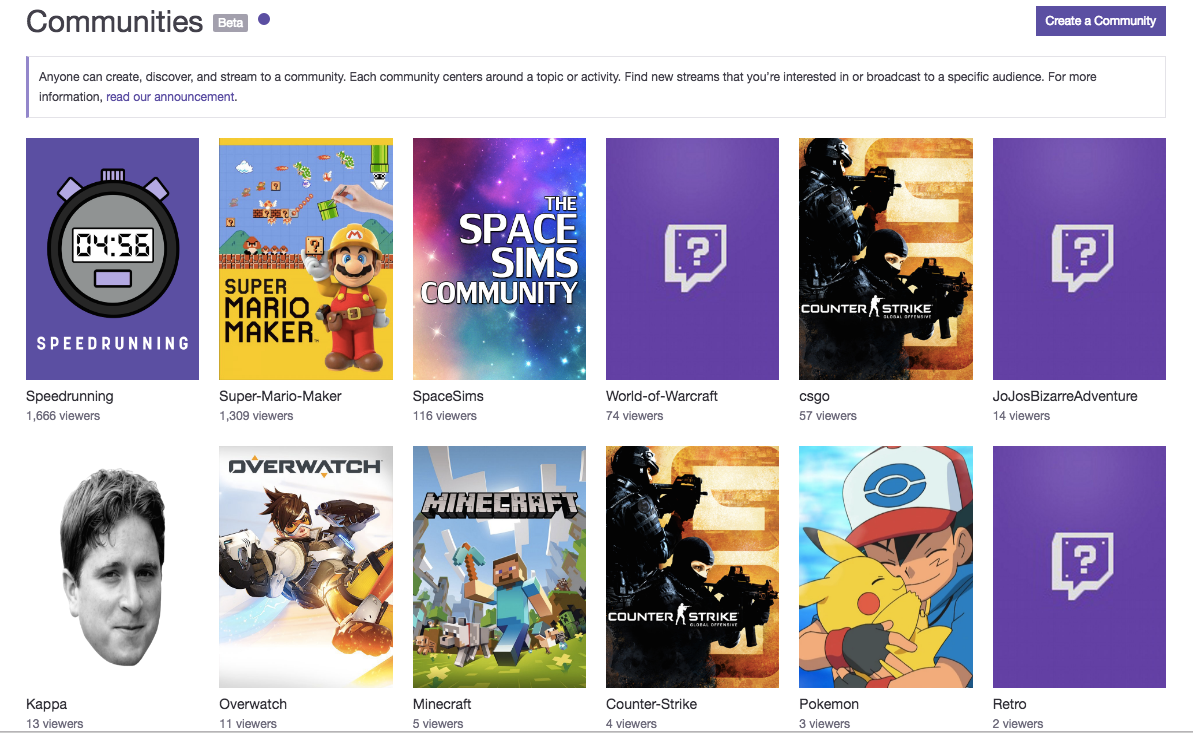
When archiving streaming media, think about implementing a structured naming convention for your documents and organizing them into dedicated directories. This makes it easier to locate specific content when necessary. Additionally, take the time to categorize your recordings based on category and time. For instance, you can create folders for video on demand, short videos, feature clips, and streams to simplify your access procedure. Also, keeping track of the metadata associated with your recordings, such as titles, summaries, and labels, can improve findability if you intend to reuse or share these videos on alternative channels.
Integrating a content management system can greatly improve how you manage your Twitch recordings. Certain software applications enable you to simplify the retrieval and organization of Twitch media, which saves you time and reducing hands-on effort. By taking advantage of available tools for bulk downloads and setting up automated workflows, you can ensure that your broadcasts are regularly recorded and safely stored. Furthermore, consider establishing a review process to regularly assess and update your archived content, ensuring that your collection remains relevant and organized.
Legal Considerations for Stream Archiving
In terms of archiving Twitch broadcasts, comprehending legal considerations is crucial for both streamers and viewers. Copyright regulations govern the ways in which content can be recorded and publicized, and utilizing someone else's material without consent can result in content takedown or the suspension of your profile. It's essential to familiarize yourself with these laws before you begin capturing or saving streams, as breaching them can have significant consequences.
The doctrine of fair use guidelines provide some leeway for content usage, especially for educational, analysis, or transformative purposes. However, the boundaries of fair use can be unclear, and what is deemed acceptable can differ depending on circumstances. Content creators should constantly consider how their utilization of archived streams aligns with these guidelines and ensure they are not breaching on others' rights. This is particularly important when planning to monetize recorded streams.
Furthermore, Twitch has its own specific regulations and community guidelines regarding content preservation. Streamers may have unique legal rights over their streams, but utilizing music, visuals, or other intellectual property can create complications. Adhering to both Twitch’s guidelines and wider copyright regulations will help protect your content as well as your channel’s integrity, making sure that your hard work in developing and storing streams is recognized and legally sound.
Editing and Monetizing Recorded Streams
Editing your captured Twitch streams can enhance their appeal and make them more engaging for viewers. Using video post-production software, you can cut excess segments, add overlays, and include audio elements or scores that enhances the content. Popular software such as Adobe Premiere Pro, Final Cut Pro, and free alternatives like DaVinci Resolve allow for substantial video modification. Focusing on high-quality audio and video can significantly elevate the overall quality, making your streams more attractive for re-watching and sharing.
Once your recordings are edited to perfection, monetization becomes a feasible strategy. Twitch streamers can earn money through multiple avenues, including advertising income, brand partnerships, and selling products related to their streams. Additionally, highlighted highlights or VODs can be uploaded to platforms like YouTube, where further income sources from ads, memberships, and donations can be tapped into. By diversifying your platforms, you not only increase your viewership but also create more chances to earn income.
As you refine your content for earning money, it’s essential to be mindful of the legal considerations surrounding the content used. Ensure you have the rights to any soundtrack or images included in your videos to avoid copyright issues. Moreover, acquaint yourself with copyright guidelines to safeguard your original work and boost your potential revenue. By combining thoughtful post-production with intelligent monetization strategies, you can successfully leverage your captured streams for sustainable channel growth and continuity.